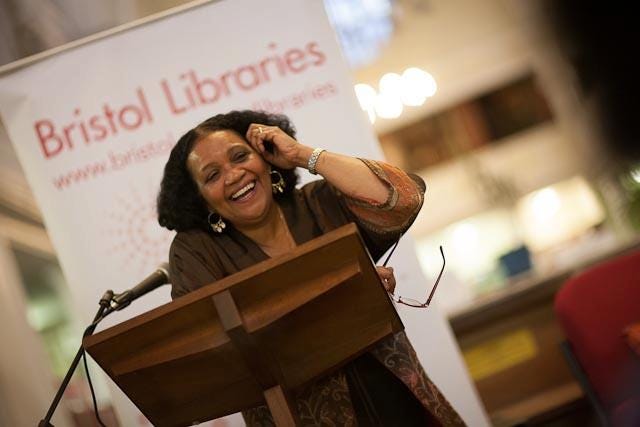
Lorna raised her hands.
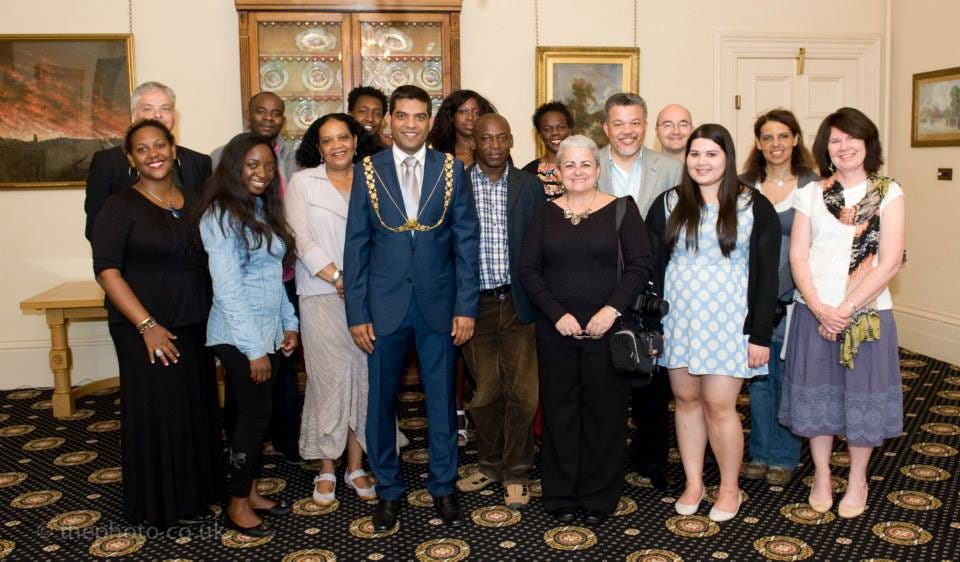
Not to silence the room. The room was already quiet in the way rooms get when people have run out of the language they share and are waiting for something older to arrive. June 30, 2013. Bristol. A small apartment, the last day of the Yardstick Festival, where writers from across the African diaspora, some of us carrying English, some French, some Kiswahili, spent four days trying to reach each other across the distance that colonialism had installed between us—carrying the same wound.
She raised her hands and began.
“Old pirates, yes, they rob I.”
And the room moved. Every mouth in that apartment opened, the English speakers, the French speakers, the Kiswahili speakers, because the song belonged to all of us before any of us had learned to explain why. Bob had seen to that. He had written “Redemption Song,” knowing, the way prophets know, that the people who needed it most would find it regardless of what language they conducted their daily lives in. The melody carried the argument. The melody was the argument.
I stood in that room and felt something I have been trying to name ever since.
We were not performing solidarity. We were not demonstrating Pan-African unity for an audience or a program note. We were a group of tired writers on the last afternoon of a literary festival, and the only thing left that was true for all of us at the same time was that song. “Emancipate yourselves from mental slavery; none but ourselves can free our minds.”
In French, those words carry the same weight. In Kiswahili, the melody reaches the same place in the body. Language is the house we live in. The song was the ground underneath every house.
Lorna knew what she was doing. She always knows what she is doing. The greatest poets understand that there are moments when the poem is not on the page. The poem is in the room, in the breath, in the collective act of people who have survived the same history choosing to name it together out loud. She raised her hands and gave us the only text that needed no translation.
I thought of Garvey. I always think of Garvey in moments like that. He had spent his life trying to build exactly this: a consciousness that could cross the linguistic and geographic divisions the colonizer had used to keep African people from recognizing each other. He built the UNIA across six continents, crossing French colonies and English colonies and Portuguese colonies, insisting that the divisions were administrative, not ancestral. He failed to hold it together in his lifetime. The movement fractured. The flags came down.
But in that apartment in Bristol, in 2013, Lorna raised her hands and we sang, and for three minutes and forty seconds the project held.
That is what Bob understood that the political organizers sometimes missed. You can draw a map of Pan-African unity. You can write the constitution. You can hold the conventions. Or you can write one song so true that a room full of strangers who cannot fully speak to each other will open their mouths at the same moment and mean it.
The festival had given us four days of panels and readings and careful, considered literary exchange. The apartment gave us the thing that no panel can produce. The moment when a people stop describing their freedom and practice it in the only language that was never taken.
Lorna lowered her hands when the song ended. Nobody spoke for a moment. The room held what had just happened the way good rooms do, without rushing to explain it.
That lesson—although Lorna never intended it to be a lesson (or maybe she did?) -- stayed with me. It travels with me now, into every classroom, every auditorium, every gathering where I stand to speak about Garvey and Bob. I end every presentation the same way. Not as a conclusion. As a charge.
“Emancipate yourselves from mental slavery; none but ourselves can free our minds.”
That is what Lorna gave us in that small apartment in Bristol. That is what Bob gave the world in 1980. That is what Garvey spent his life trying to build the conditions for. Three generations. One transmission. Still running.
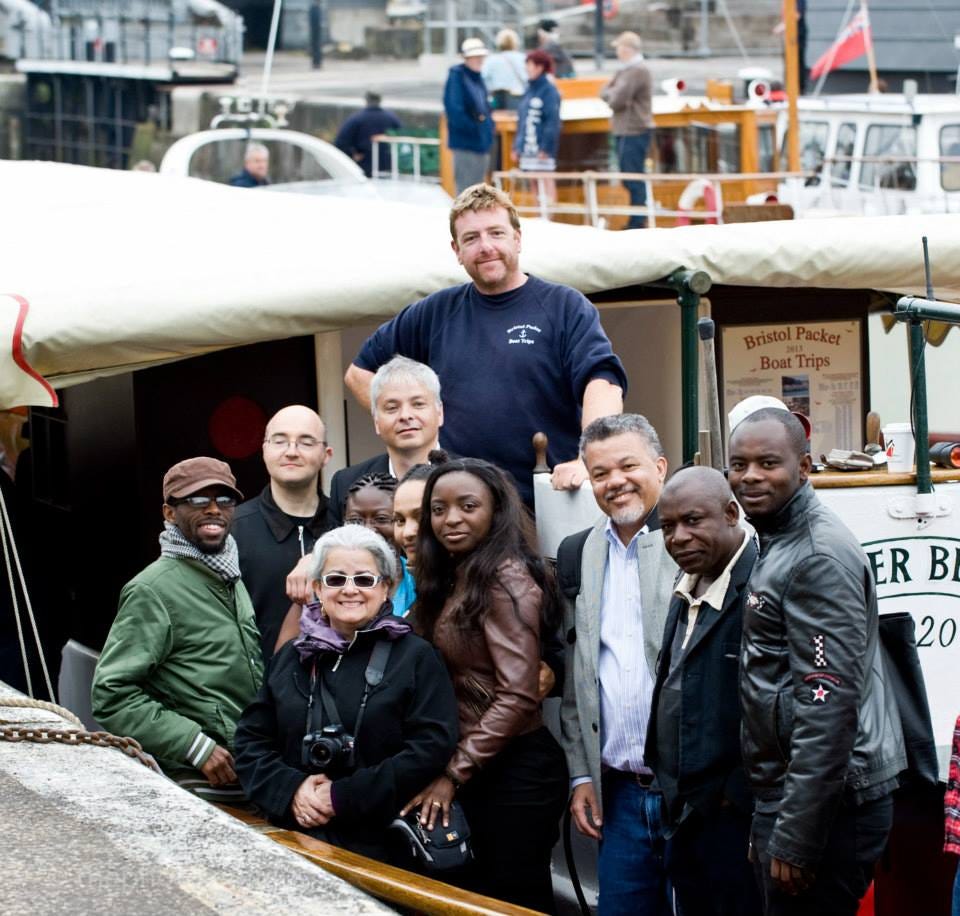
Give thanks to Asif Khan and Jon Craig for permission to use these photos: (12) Yardstick Festival yardstick.org.uk | Facebook
via The Garvey Classroom https://ift.tt/nP1kHfB Follow The Garvey Classroom on Substack for weekly lessons on mental sovereignty, Pan-African history, and the teachings of Marcus Garvey.


No comments:
Post a Comment